
Real-World Money Skills for Teens Before Adulthood
A practical, easy-to-understand guide that helps teens build healthier money habits, understand how money works, and make more confident financial decisions before they’re on their own.
Get your FREE digital copy of Teen Money Mindset when you join the Money Mindset Academy community.
You'll also receive Parent Money Mindset, companion toolkits, and additional family money resources at no cost.
Prefer a physical book or audiobook? Those editions are available for purchase separately.


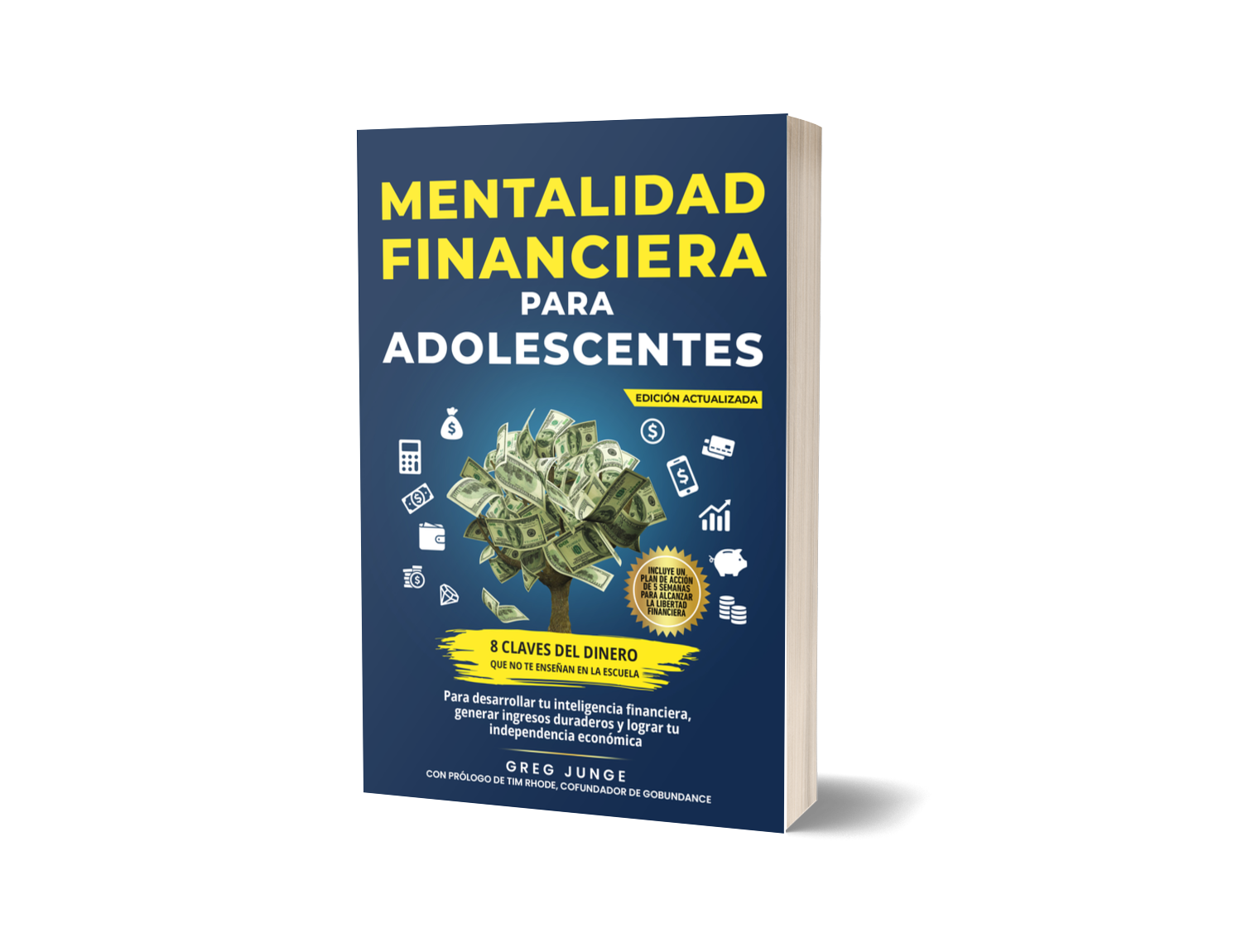
También en español
La misma guía práctica para ayudar a los adolescentes a desarrollar mejores hábitos financieros, tomar decisiones con más confianza y prepararse para la vida adulta.
Disponible en español en Kindle, tapa blanda y audiolibro en Audible.
What Experts & Educators Are Saying About Teen Money Mindset
— Tiffany Jones, Literacy and Educational Content Specialist.
— Samantha Dierking, M.A. of Education, New York Life Registered Representative.
— Shawn Yesner, Bankruptcy Attorney, Yesner Law & Co-Host of the Crushing Debt Podcast.
Hear What Parents Are Saying
Elena – Parent & Entrepreneur
Jeff – Retired Coast Guard & Parent
Money decisions come sooner than you think
Most teens don’t need complicated financial advice. They need the basics explained in a way that makes sense before real-life money decisions start coming fast:
Their first job
Their first paycheck
Their first bank account or debit card
Their first credit card offer
Their first big financial decision
Their first money mistake, and how to recover from it
.jpg)
Give Your Teen a Stronger Financial Foundation Before They’re on Their Own
Teen Money Mindset gives teens and young adults practical money lessons in clear, approachable language. It helps them understand not just how money works, but how their habits, choices, and mindset can shape their financial future.
The goal isn’t to overwhelm them with financial jargon. It’s to help them feel more prepared and confident when real-world money decisions begin.
Build a healthier relationship with money
Separate needs from wants
Make more intentional spending decisions
Save toward meaningful goals
Understand the basics of credit and debt
Recognize and avoid common money mistakes
Build confidence for real-world financial decisions
Help Your Teen Build Confidence Before the Stakes Get Higher
A lot of adults look back and wish they had learned about money earlier, before credit cards, car payments, rent, debt, and other real-world decisions showed up.
Teen Money Mindset helps teens build that foundation sooner, while there is still time to learn, practice, ask questions, and make smaller mistakes.
The goal isn’t perfection. It’s helping teens become more prepared, responsible, and confident before they’re managing money on their own.
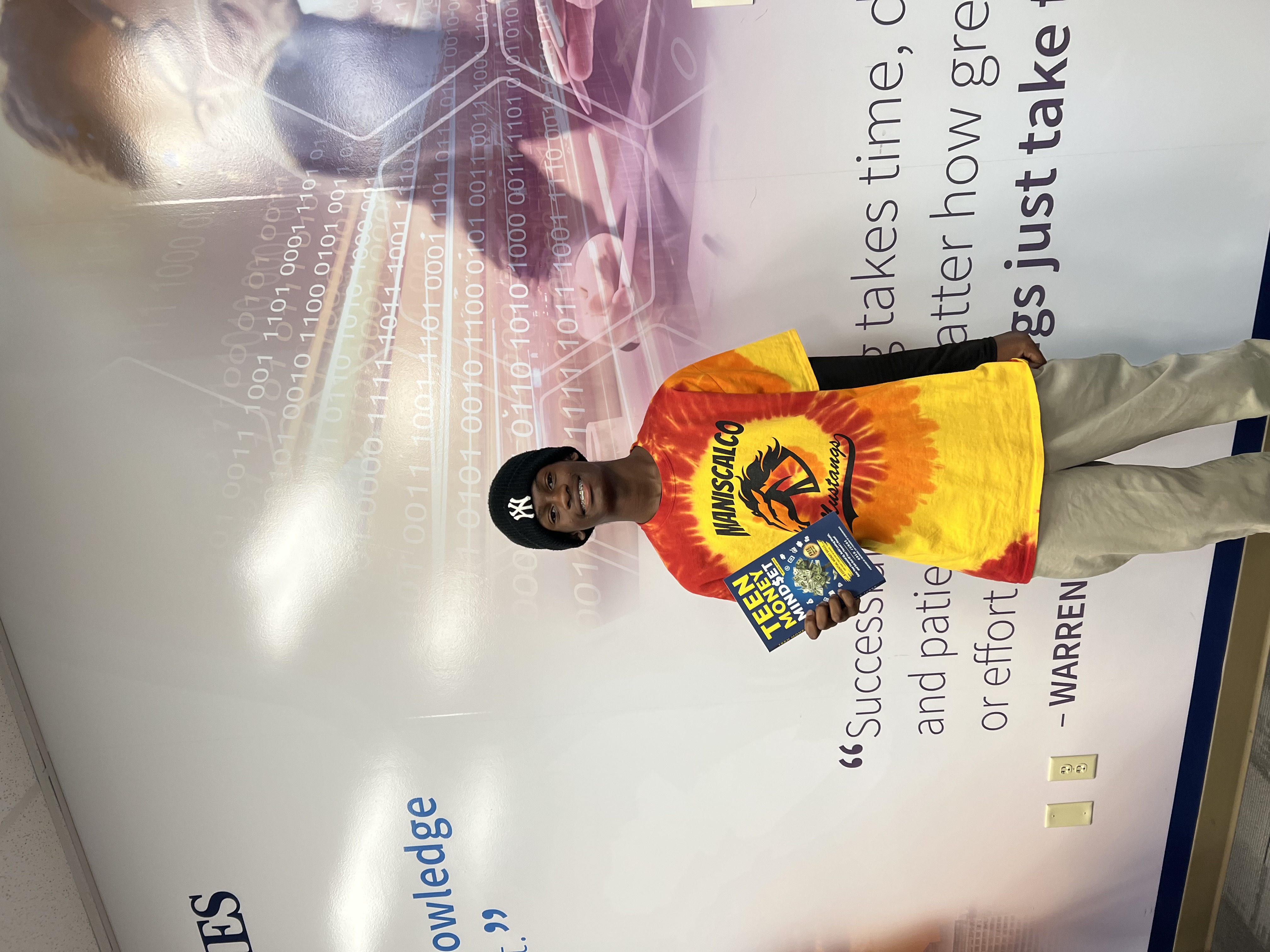
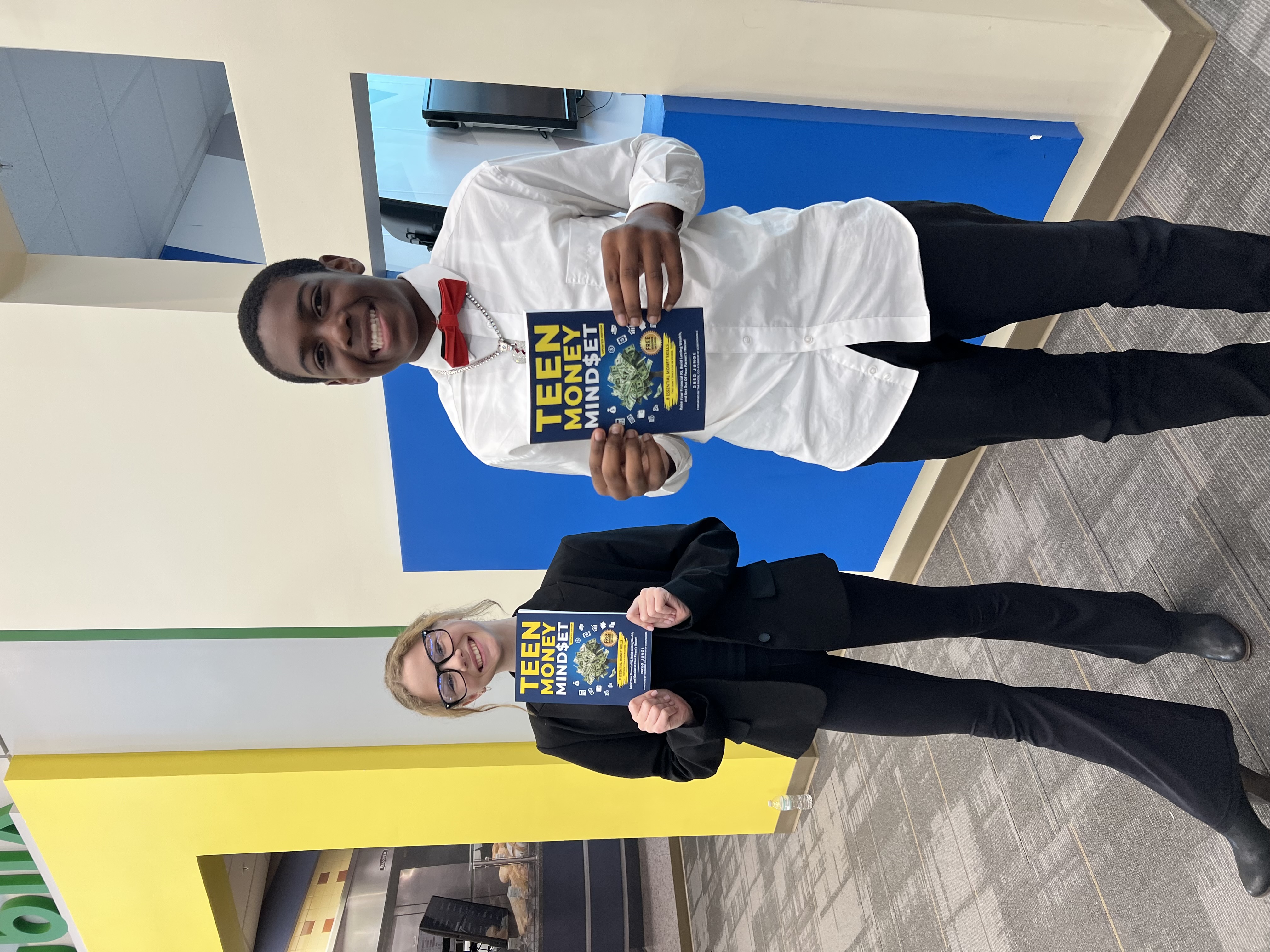
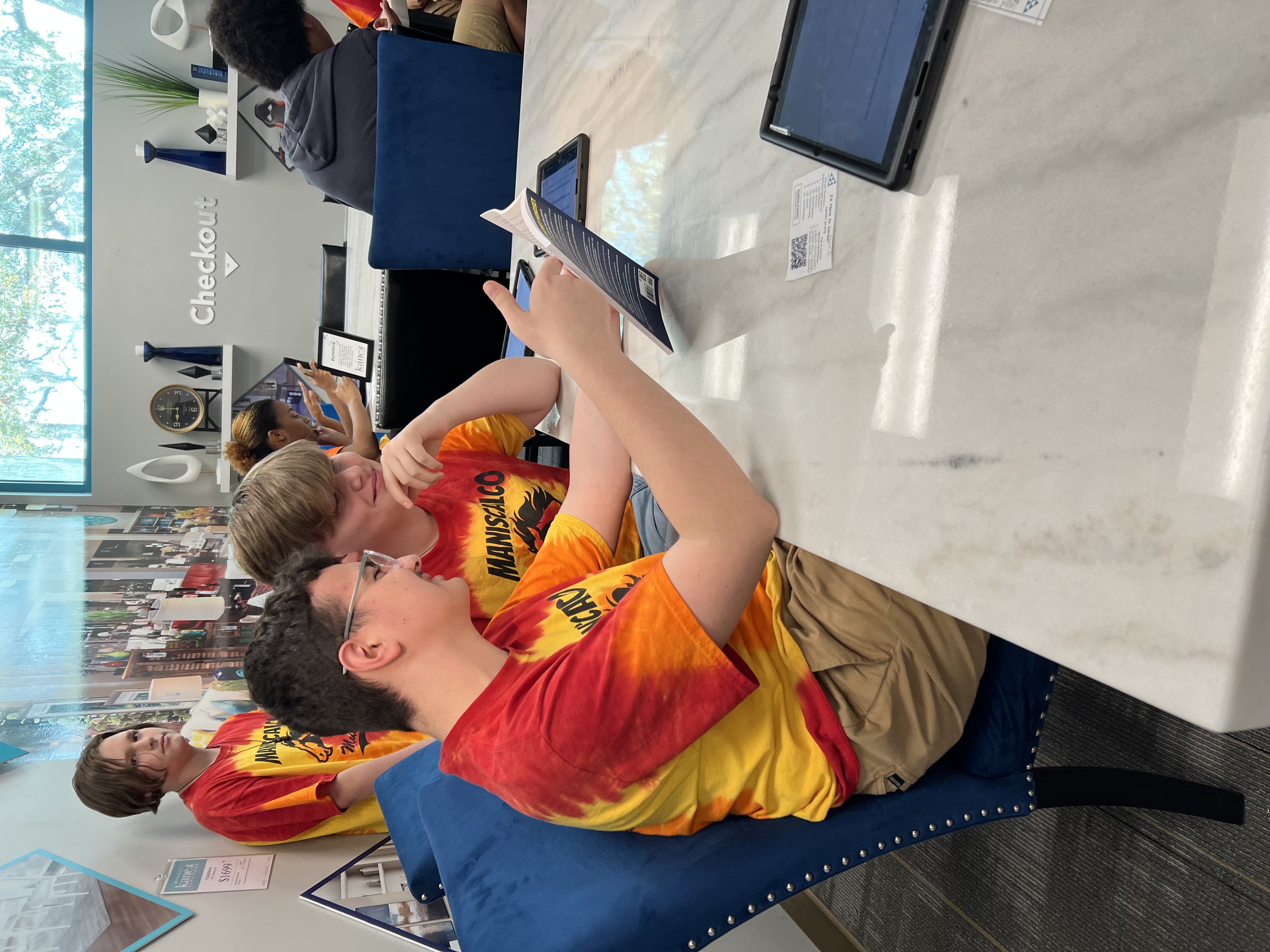
Real Teens. Real Conversations. Real Money Lessons.
Teen Money Mindset goes beyond the page. These are moments from sharing financial education and Teen Money Mindset with students through Junior Achievement Tampa.
Keep the Money Conversation Going at Home
Looking for practical ways to continue the conversation beyond the book?
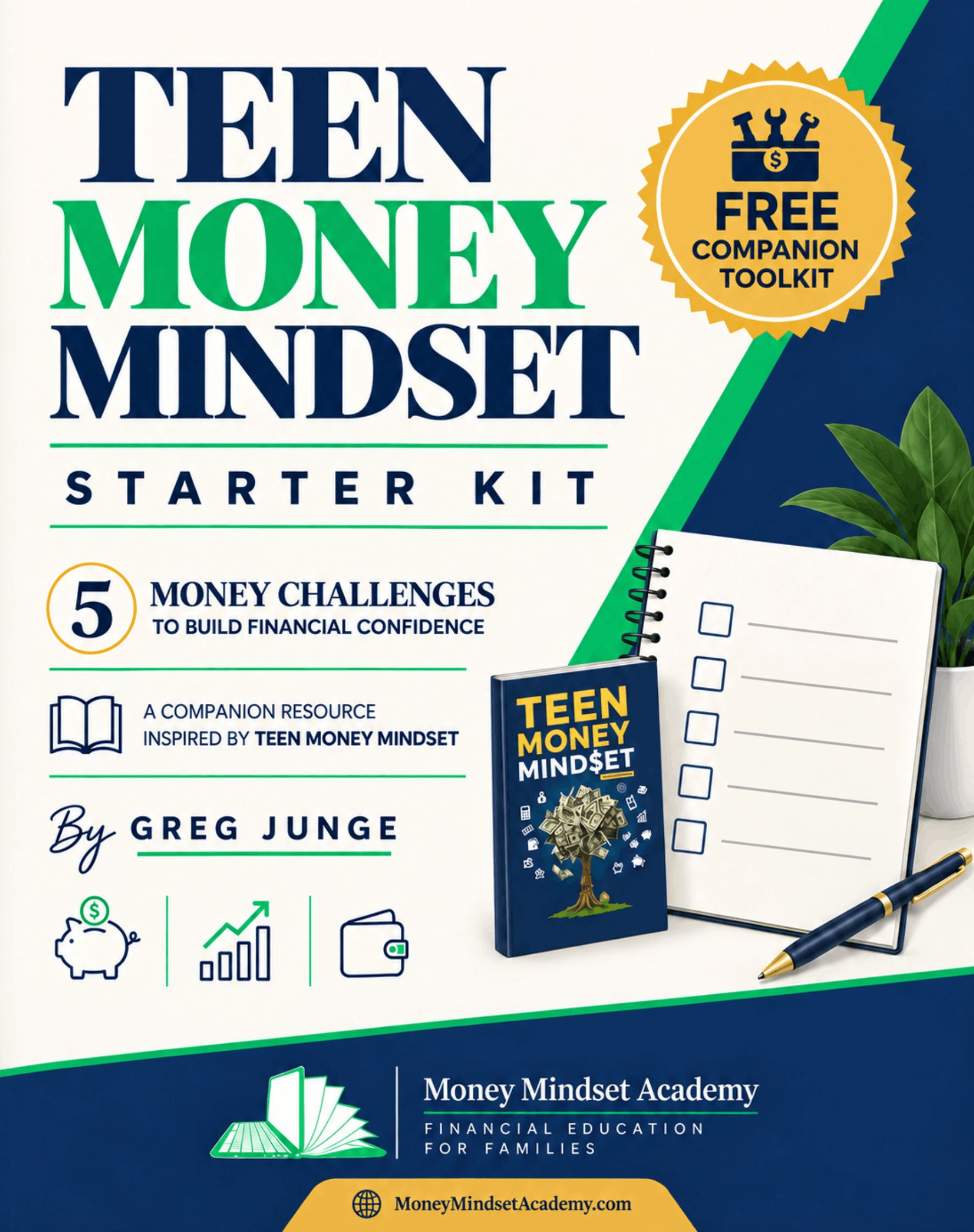
The free Teen Money Mindset Toolkit gives teens guidance, activities, scripts, and simple tools to build healthier money habits at home.
The Teen Money Mindset Starter Kit is available FREE inside our Money Mindset Academy community, along with digital copies of both Money Mindset books and additional family resources.
Join our free community to access the Starter Kit and start putting these money lessons into practice at home.
Meet The Author
Greg Junge is an author, entrepreneur, real estate investor, and founder of Money Mindset Academy. His work focuses on helping teens and families build healthier money habits, stronger financial confidence, and practical skills they can use in everyday life.
After seeing how many adults wished they had learned these lessons earlier, Greg wrote Teen Money Mindset to give young people a practical financial foundation before they’re managing money entirely on their own.

FAQs
Teen Money Mindset is primarily written for teens and young adults who are beginning to make real-world money decisions. Parents can also read along and use the book to start practical money conversations at home.
No. The book is designed to make financial concepts approachable for beginners. It starts with the fundamentals and explains them in practical, easy-to-understand language.
Teen Money Mindset covers money mindset, budgeting, saving, credit and debt, investing, earning money, entrepreneurship, goal setting, and preparing for real-world financial decisions.
Join our FREE Money Mindset Academy community on Skool to download the digital edition of Teen Money Mindset at no cost.
You'll also get Parent Money Mindset, companion toolkits, and additional educational resources, all included with your free membership.
Paperback and audiobook editions are available for purchase separately.
Still have questions?
Give Your Teen a Stronger Start With Money
Help your teen build practical money skills, healthier habits, and greater financial confidence before they’re managing money on their own.
